
Understanding the mental health implications of gambling addiction
What is Gambling Addiction?
Gambling addiction, often referred to as compulsive gambling or pathological gambling, is characterized by an uncontrollable urge to gamble despite the negative consequences that follow. Individuals with this addiction often find themselves trapped in a cycle of wagering, losing, and chasing their losses, which exacerbates their financial and emotional stress. Unlike casual gamblers, those with gambling addiction tend to prioritize gambling over important aspects of their lives, such as relationships, work, and health. Within the online gaming realm, Rizzio offers various Rizzio payment methods to enhance the experience for players exploring available games.
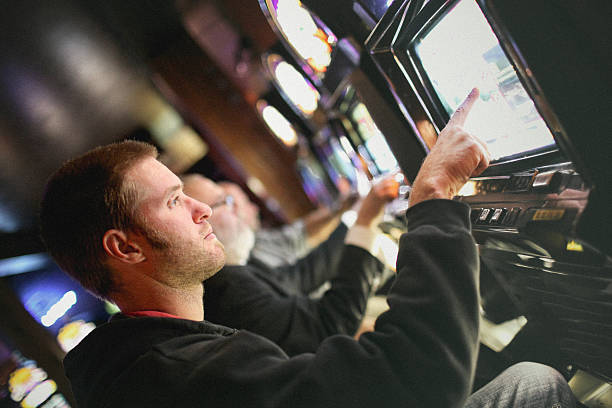
This addiction can manifest in various forms, from betting on sports to playing casino games, both in physical venues and online platforms. The thrill of winning can be intoxicating, leading to repetitive gambling behavior, which reinforces the compulsion. This cycle can create a false sense of security, where the individual believes that a big win is just around the corner, despite the growing pile of losses and the toll it takes on their mental health.
Recognizing gambling addiction is crucial as it often goes unnoticed or is dismissed as a mere hobby. Many individuals may not realize the extent of their issue until it significantly impacts their lives. Understanding the mental health implications associated with this addiction is vital for addressing the underlying issues and seeking effective treatment options.
The Impact of Gambling Addiction on Mental Health
The mental health implications of gambling addiction are profound and multifaceted. Research has shown that individuals with gambling problems often suffer from anxiety, depression, and other mood disorders. The financial strain caused by gambling can lead to chronic stress, which may exacerbate existing mental health issues or lead to new ones. This creates a vicious cycle where poor mental health drives individuals to gamble more in hopes of recovery, while gambling further deteriorates their mental state.
Furthermore, gambling addiction can lead to feelings of guilt and shame. Many individuals may attempt to hide their gambling behavior from friends and family, which can foster feelings of isolation and despair. The internal conflict between the desire to gamble and the realization of its negative impact on their lives can create significant emotional distress. This internal struggle can contribute to a decline in self-esteem and a sense of hopelessness.
Additionally, gambling addiction can lead to severe consequences such as suicidal thoughts and actions. The mental health repercussions can be far-reaching, affecting not only the individual but also their loved ones. Family members may experience emotional strain, financial instability, and increased stress levels due to the addict’s behavior. Addressing these mental health issues is critical in the recovery process, and professional support is often necessary for healing.
Signs and Symptoms of Gambling Addiction
Identifying the signs and symptoms of gambling addiction is crucial for early intervention. Common indicators include a preoccupation with gambling, where individuals may think about previous bets or plan future gambling activities even during work or family time. Other symptoms may involve lying about gambling habits or hiding evidence of gambling from loved ones, indicating a level of shame and denial regarding the addiction.
Financial problems are another key indicator, as compulsive gamblers often experience significant monetary losses. This may lead to borrowing money or even resorting to illegal activities to fund their gambling habit. Such behaviors can have devastating effects not only on the individual but also on their families and friends, who may suffer from the financial and emotional fallout.
Moreover, changes in mood, such as irritability or restlessness when attempting to cut down on gambling, are red flags. Individuals may also engage in gambling as a way to escape from stress or anxiety, highlighting the connection between gambling and mental health. Understanding these signs can facilitate earlier recognition and encourage individuals or their loved ones to seek help before the addiction escalates further.
Treatment Options for Gambling Addiction
Treatment for gambling addiction typically involves a combination of therapy, support groups, and, in some cases, medication. Cognitive-behavioral therapy (CBT) has proven effective, as it helps individuals identify and change the thought patterns that contribute to their gambling behavior. Therapists may also work with clients to develop coping strategies for managing the emotional triggers that lead to gambling.
Support groups, such as Gamblers Anonymous, provide a community of individuals who understand the struggles of gambling addiction. Sharing experiences in a supportive environment can foster a sense of belonging and encourage personal accountability. These groups often emphasize the importance of maintaining a gambling-free lifestyle and offer continuous support throughout the recovery journey.
In some cases, medication may be prescribed to address underlying mental health issues such as anxiety or depression, which can be intertwined with gambling addiction. A comprehensive treatment approach that considers both the psychological and emotional aspects of the addiction is essential for successful recovery. By addressing these various facets, individuals can work towards rebuilding their lives and restoring their mental health.

Understanding Rizzio Casino’s Commitment to Responsible Gaming
Rizzio Casino stands out as a premier online gaming platform with a strong emphasis on responsible gaming practices. Launched in 2025, it is dedicated to ensuring player safety while offering a thrilling gaming experience. By operating under a licensed framework, Rizzio Casino prioritizes the well-being of its players, making sure that they have access to resources that promote responsible gambling.
The platform recognizes the potential risks associated with gambling and provides tools to help players manage their gaming activities effectively. From setting deposit limits to self-exclusion options, Rizzio Casino empowers its users to make informed decisions while enjoying their favorite games. This commitment to responsible gaming creates a safer environment for players, encouraging them to engage in gambling as a form of entertainment rather than a source of distress.
Additionally, Rizzio Casino actively promotes awareness about the mental health implications of gambling addiction. By providing educational resources and support, the platform aims to foster a culture of responsibility and understanding in the gaming community. As players explore Rizzio Casino’s extensive range of games, they can do so with peace of mind, knowing that their mental health and well-being are a top priority.